PLID / Slip Disc
Start from
Per Person
Best Price Guarantee
95% Happy Travelers
4.9/5 User Review
Overview
PLID (Prolapsed Lumbar Intervertebral Disc), commonly known as a slip disc, is one of the most frequent causes of back pain and leg pain. When the soft inner material of a spinal disc pushes out and presses on a nearby nerve, it causes pain, numbness, or weakness. With the right evaluation and treatment, most patients recover well.
Itinerary
1
What Is PLID?
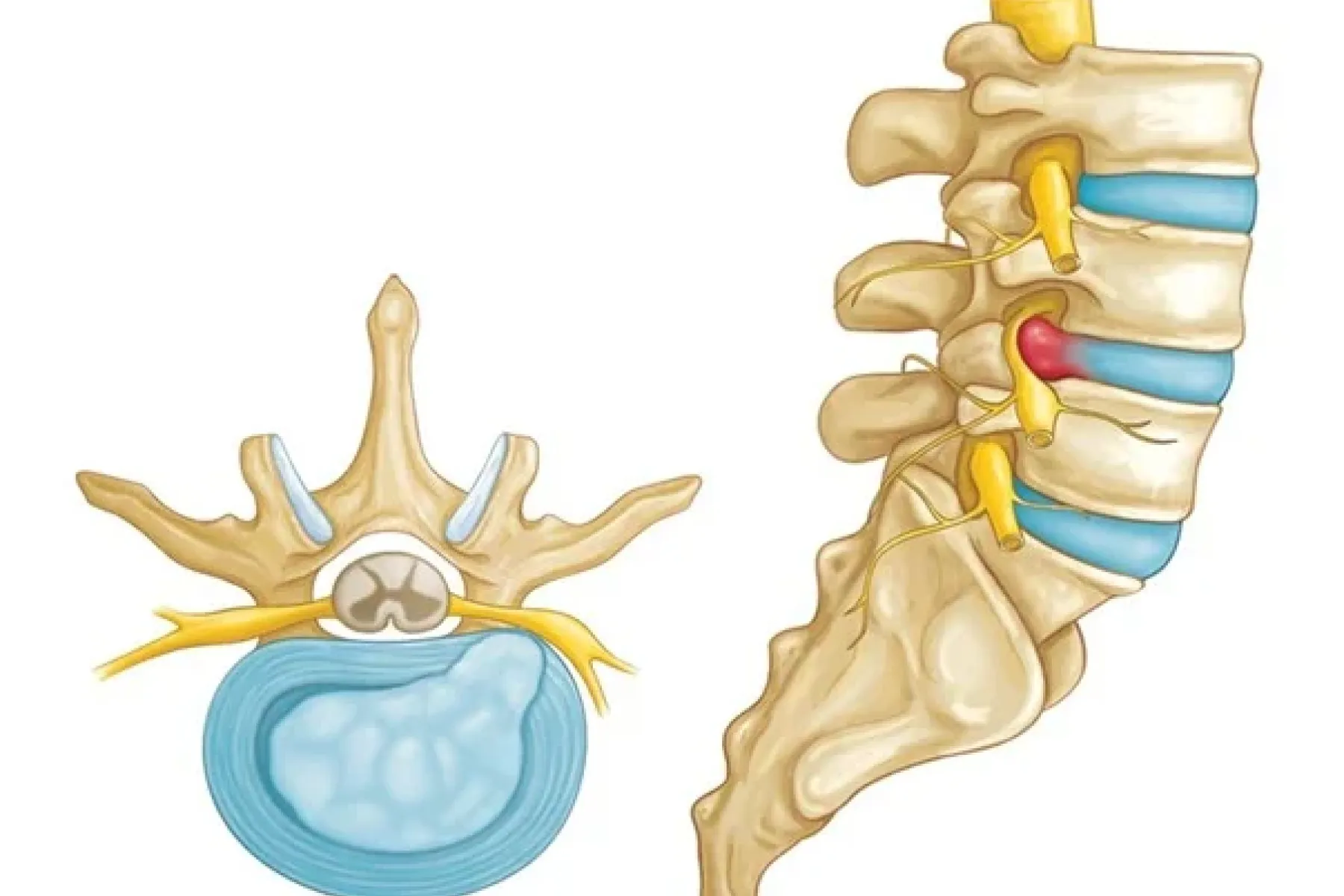
Between each vertebra of the spine sits a disc — a cushion that absorbs pressure and allows movement. When the outer layer of this disc weakens or tears, the inner gel-like material can bulge or push outward. If this presses on a spinal nerve, it causes pain that radiates from the lower back down the leg — commonly known as sciatica.
2
Common Symptoms
The most common symptom is lower back pain that travels into the buttock, thigh, calf, or foot — usually on one side. Patients may also experience numbness, tingling, or a burning sensation in the leg. In severe cases, there may be weakness in the foot or leg, or difficulty walking. Bladder or bowel changes are a warning sign requiring urgent attention.
3
Does PLID Always Need Surgery?
No. Many patients with PLID improve significantly with rest, anti-inflammatory medication, nerve pain management, and physiotherapy. Surgery is recommended only when symptoms are severe, when conservative treatment fails after an adequate period, or when there is progressive weakness, foot drop, or bladder and bowel involvement.
4
Surgical Treatment
When surgery is needed, Dr. Mesbah Uddin Ahmed performs both microscopic and endoscopic lumbar disc surgery. The endoscopic approach is minimally invasive — a small incision, minimal muscle disruption, shorter hospital stay, and faster return to daily activities. The goal is to relieve nerve pressure while preserving as much of the normal spine as possible.
5
Recovery After Surgery
Most patients experience significant pain relief soon after surgery. Recovery involves a period of rest followed by gradual mobilization and physiotherapy. Full return to normal activities typically takes a few weeks. Long-term outcomes are excellent for appropriately selected patients.
What’s Included
Detailed clinical and neurological examination
MRI review and imaging interpretation
Microscopic and endoscopic lumbar disc surgery
Conservative treatment guidance before surgery is considered
Post-operative recovery plan and follow-up
What’s Not Included
Not every back pain means PLID — other causes must be ruled out
Surgery is not the first option - it is recommended only when necessary
MRI alone does not determine the need for surgery - clinical evaluation is equally important
Highlights
Over 150 spine surgeries performed
Conservative and surgical options discussed transparently with each patient
Endoscopic lumbar disc surgery — minimally invasive, faster recovery
Published research on PLID surgery in the Bangladesh Journal of Neurosurgery
Specialized training in minimally invasive spine techniques
Patient Reviews

Rafiqul Islam
Dhaka
"I had been suffering from severe back and leg pain for years. Dr. Mesbah explained everything clearly and the surgery went smoothly. The recovery was faster than I expected. I am truly grateful."

Nusrat Jahan
Chittagong
"My mother was diagnosed with a brain tumor and we were devastated. Dr. Mesbah took the time to explain every detail patiently. The surgery was successful and she is recovering well. We cannot thank him enough."

Farida Begum
Dhaka
"I suffered a serious head injury in a road accident. Dr. Mesbah performed emergency surgery without delay. His calm and professional approach gave our entire family confidence during the most difficult time of our lives."

Karim Hossain
Sylhet
"I had been dealing with neck pain and arm weakness for months. Dr. Mesbah diagnosed the problem accurately and performed the surgery with great precision. I am now completely pain-free and back to my normal routine."
Chamber Hours
4:00 PM – 8:00 PM
No Hidden Fees
95% Patients Satisfied
4.9/5 Patient Rating
Explore more like this