Head Injury
Start from
Per Person
Best Price Guarantee
95% Happy Travelers
4.9/5 User Review
Overview
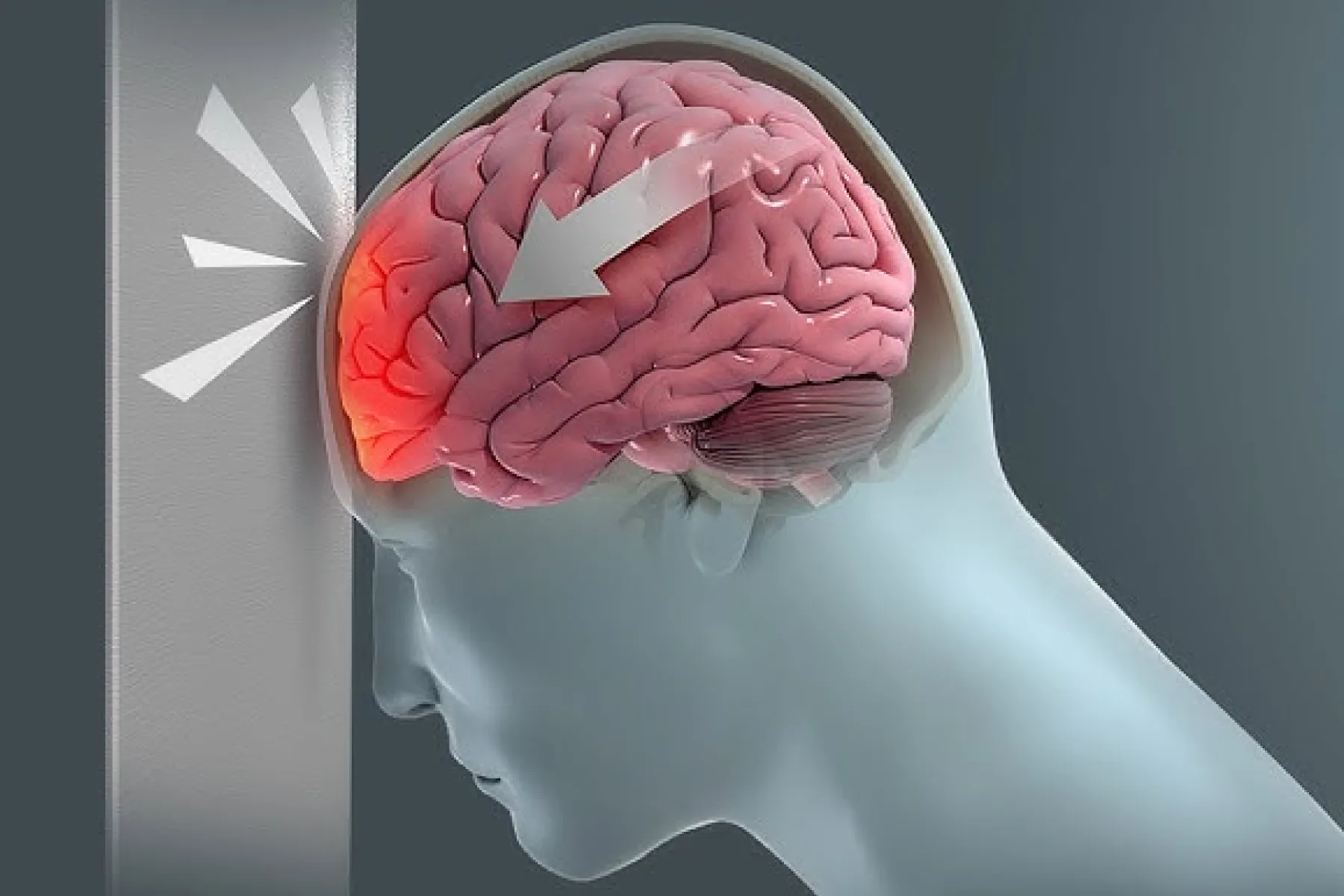
Head injury refers to any trauma to the skull, brain, or surrounding structures. Injuries range from mild concussion to severe traumatic brain injury. Proper and timely neurological assessment is essential — some injuries may appear minor initially but can deteriorate rapidly without appropriate care.
Itinerary
1
Types of Head Injury
Head injuries are classified as mild, moderate, or severe based on neurological status and imaging findings. Common surgical conditions include extradural hematoma (bleeding between the skull and the brain lining), subdural hematoma (bleeding beneath the brain lining), intracerebral hemorrhage (bleeding within the brain), and depressed skull fracture — all of which may require urgent surgical intervention.
2
When to Seek Urgent Evaluation
When to Seek Urgent Evaluation Itinerary Para 2: After a head injury, immediate evaluation is necessary if the patient experiences loss of consciousness, repeated vomiting, worsening headache, confusion, weakness on one side, seizure, slurred speech, or any deterioration in mental status. In children, any significant head trauma should be evaluated promptly.
3
Diagnosis
A CT scan of the brain is the first-line investigation for significant head injury. It quickly identifies bleeding, fractures, brain swelling, and other structural changes. Based on findings, the neurosurgeon determines whether immediate surgery, close observation, or conservative management is appropriate.
4
Surgical Treatment
When surgery is required, Dr. Mesbah Uddin Ahmed performs emergency craniotomy or burr hole procedures to evacuate blood clots, relieve intracranial pressure, and protect the brain from further damage. Speed and precision are critical in these cases — early surgery significantly improves neurological outcomes.
5
Recovery After Head Injury
Recovery from head injury depends on the severity of the trauma and how quickly treatment was initiated. Mild injuries often resolve with rest and monitoring. Severe injuries may require prolonged rehabilitation. Research published by Dr. Mesbah's team has specifically examined factors affecting mortality in traumatic subdural hematoma — contributing to improved understanding of outcomes.
What’s Included
Emergency neurosurgical evaluation for head trauma
CT scan review and imaging-guided decision making
Emergency craniotomy and burr hole surgery for hematoma evacuation
Intracranial pressure management and post-operative monitoring
Recovery guidance and neurological follow-up
What’s Not Included
Not every head injury requires surgery — many are managed conservatively with observation
A normal CT scan after mild injury does not always mean monitoring can stop — symptoms must be tracked
Delayed deterioration can occur — any new symptom after head injury must be reported immediately
Highlights
Extensive emergency brain surgery experience
Published research on traumatic subdural hematoma outcomes
Fast, decisive surgical response in acute trauma cases
Both open and minimally invasive evacuation techniques available
Family counseling and transparent communication throughout treatment
Patient Reviews

Rafiqul Islam
Dhaka
"I had been suffering from severe back and leg pain for years. Dr. Mesbah explained everything clearly and the surgery went smoothly. The recovery was faster than I expected. I am truly grateful."

Nusrat Jahan
Chittagong
"My mother was diagnosed with a brain tumor and we were devastated. Dr. Mesbah took the time to explain every detail patiently. The surgery was successful and she is recovering well. We cannot thank him enough."

Farida Begum
Dhaka
"I suffered a serious head injury in a road accident. Dr. Mesbah performed emergency surgery without delay. His calm and professional approach gave our entire family confidence during the most difficult time of our lives."

Karim Hossain
Sylhet
"I had been dealing with neck pain and arm weakness for months. Dr. Mesbah diagnosed the problem accurately and performed the surgery with great precision. I am now completely pain-free and back to my normal routine."
Chamber Hours
4:00 PM – 8:00 PM
No Hidden Fees
95% Patients Satisfied
4.9/5 Patient Rating
Explore more like this