Stroke & Brain Hemorrhage
Start from
Per Person
Best Price Guarantee
95% Happy Travelers
4.9/5 User Review
Overview
A stroke occurs when blood supply to part of the brain is suddenly interrupted — either by a blocked blood vessel or by bleeding inside the brain. It is a medical emergency. Rapid evaluation and treatment are critical to reduce permanent brain damage and improve recovery.
Itinerary
1
What Is a Stroke?
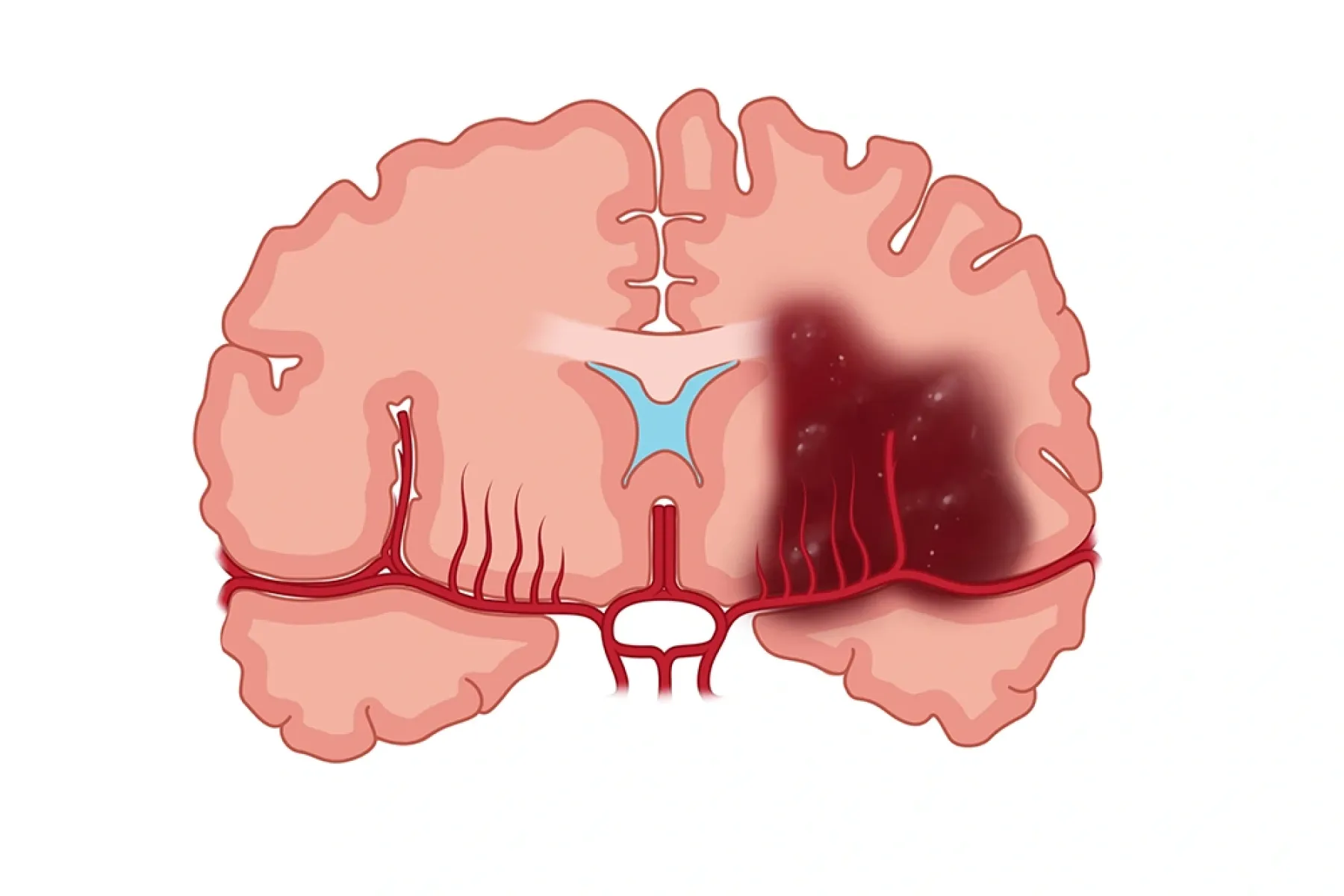
There are two main types of stroke. In an ischemic stroke, a blood clot blocks an artery supplying the brain. In a hemorrhagic stroke, a blood vessel ruptures and blood leaks into the brain tissue or surrounding space. Both types can cause sudden, severe neurological symptoms and require immediate medical attention.
2
Warning Signs to Recognize
Common warning signs include sudden weakness or numbness on one side of the face, arm, or leg; sudden difficulty speaking or understanding speech; sudden vision problems; severe unexpected headache; and loss of balance or coordination. If these symptoms appear, the patient must reach a hospital immediately — time is brain.
3
Brain Hemorrhage and When Surgery Is Needed
In hemorrhagic stroke, blood accumulates and creates pressure on brain tissue. When the volume of bleeding is significant or symptoms are deteriorating, surgical evacuation may be required. Dr. Mesbah performs both open and endoscopic brain hemorrhage evacuation — removing the clot and relieving pressure to protect surviving brain tissue.
4
Aneurysm Surgery
A cerebral aneurysm is an abnormal bulge in a brain blood vessel that can rupture and cause life-threatening bleeding (subarachnoid hemorrhage). Surgical clipping of the aneurysm is performed to seal it off from the normal blood circulation and prevent re-bleeding. Dr. Mesbah performs aneurysm surgery as part of his cerebrovascular surgical practice.
5
Recovery and Rehabilitation
Stroke recovery varies widely depending on the area of the brain affected and the speed of treatment. After the acute phase, patients often benefit from physiotherapy, speech therapy, and occupational therapy. Regular neurological follow-up is essential to monitor progress and prevent recurrence.
What’s Included
Urgent neurosurgical assessment for hemorrhagic stroke
Endoscopic and open brain hemorrhage evacuation
Aneurysm surgery (surgical clipping)
CSF diversion surgery - VP Shunt and ETV when required
Post-operative neurological monitoring and follow-up
What’s Not Included
Not all strokes require surgery - treatment depends on type and severity
Ischemic stroke management primarily involves medical and thrombolytic therapy, not neurosurgery
Recovery is a gradual process - rehabilitation plays as important a role as surgery
Highlights
Emergency brain hemorrhage surgery performed regularly
Aneurysm clipping and cerebrovascular surgical experience
Endoscopic brain hemorrhage evacuation - minimally invasive option
VP Shunt and ETV for hydrocephalus following stroke
Coordinated acute and post-acute neurological care
Patient Reviews

Rafiqul Islam
Dhaka
"I had been suffering from severe back and leg pain for years. Dr. Mesbah explained everything clearly and the surgery went smoothly. The recovery was faster than I expected. I am truly grateful."

Nusrat Jahan
Chittagong
"My mother was diagnosed with a brain tumor and we were devastated. Dr. Mesbah took the time to explain every detail patiently. The surgery was successful and she is recovering well. We cannot thank him enough."

Farida Begum
Dhaka
"I suffered a serious head injury in a road accident. Dr. Mesbah performed emergency surgery without delay. His calm and professional approach gave our entire family confidence during the most difficult time of our lives."

Karim Hossain
Sylhet
"I had been dealing with neck pain and arm weakness for months. Dr. Mesbah diagnosed the problem accurately and performed the surgery with great precision. I am now completely pain-free and back to my normal routine."
Chamber Hours
4:00 PM – 8:00 PM
No Hidden Fees
95% Patients Satisfied
4.9/5 Patient Rating
Explore more like this